
When most people think of a jammed finger, the first thing that comes to mind is pain. However, a finger injury can also cause swelling, stiffness, bruising, or limited movement, and in some cases, the discomfort may not seem severe right away.
A jammed finger often happens after a fall on an outstretched hand, a sports injury, or when the fingertip is forcefully bent backward. Even if the pain feels mild, it’s important to watch for jammed finger symptoms such as swelling, difficulty bending the finger, or a swollen jammed knuckle on the hand, as these may signal a more serious injury.
So what happens when you jam your finger? What does a jammed finger look like? And when should you see a doctor for a jammed finger instead of treating it at home?
This guide explains the common symptoms, how to tell a jammed finger vs broken finger, what you can do for immediate relief, how long a jammed finger should hurt, and how long it takes for a jammed finger to heal.
What is a Jammed Finger?
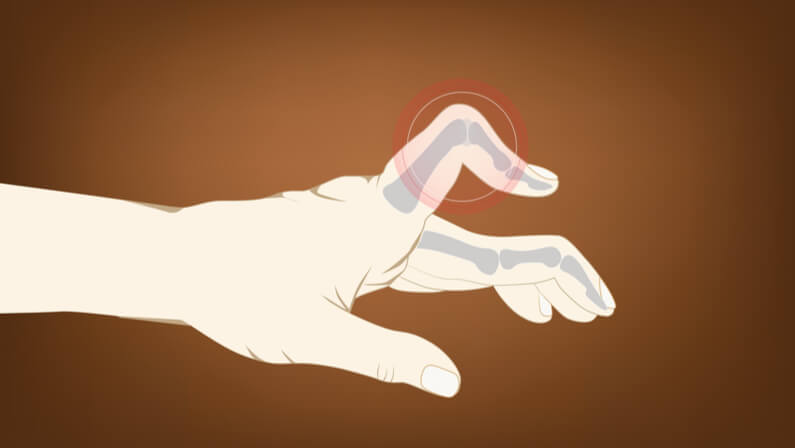
Jammed finger is one of the most common finger injuries, usually affecting the ligaments, tendons, or soft tissues around the finger joint rather than breaking the bone.
A jammed finger occurs when the finger is forcefully bent backward, compressed against an object, or caught between two surfaces. This type of injury commonly happens during sports, falls, or everyday accidents and may result in a swollen or painful jammed knuckle on the hand.
What are the Symptoms of a Jammed Finger?
Jammed finger symptoms can range from mild discomfort to significant pain depending on how badly the ligaments, tendons, or joint have been injured. While many cases improve with home care, severe symptoms may indicate a more serious injury that needs medical evaluation.
Common jammed finger symptoms include:
- Pain in the finger that may be sharp immediately after the injury or develop into a dull, throbbing ache.
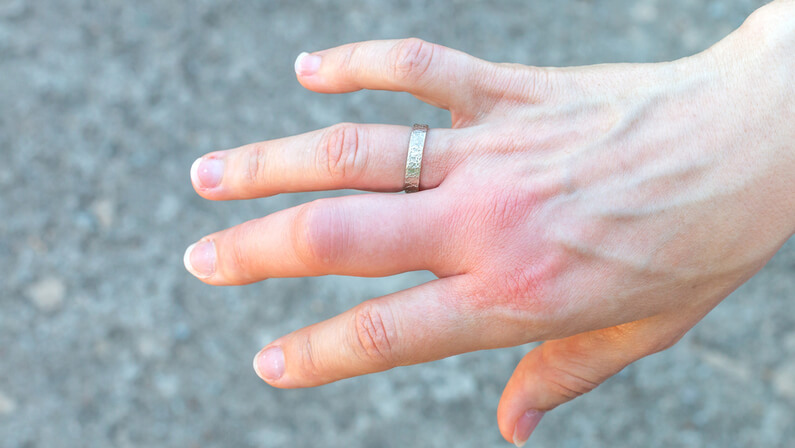
- Tenderness around the injured joint or a swollen jammed knuckle on the hand, especially when touched or moved.
- Bruising or discoloration around the finger or knuckle.
- Swelling in the finger joint, which may continue to increase over the first 12 hours after the injury.
- Stiffness or difficulty bending and straightening the finger.
- Reduced grip strength or pain when trying to hold or lift objects.
If your finger appears crooked, you cannot move it, or the pain and swelling are severe, it may be a jammed finger vs broken finger, and an X-ray is recommended to rule out a fracture or dislocation.

Possible Complications of a Jammed Finger
Most jammed fingers heal without long-term problems, but a severe injury can lead to complications if left untreated. What seems like a simple sprain may actually involve a fracture, dislocation, or tendon injury, making it important to recognize the difference between a jammed finger vs broken finger.
Possible complications include:
- Finger fractures: A forceful impact can break one or more of the finger bones, causing severe pain, swelling, bruising, and difficulty moving the finger.
- Mallet finger: A direct blow to the fingertip can damage the tendon that straightens the finger, leaving the fingertip drooping and unable to fully extend.
- Dislocated finger joint: A hard impact can force the bones out of alignment, resulting in visible deformity, intense pain, and loss of motion.
- Oblique (slanting) fractures: A direct blow to the knuckle or finger can create an angled fracture that often requires X-rays to diagnose because symptoms may resemble those of a jammed finger.
- Ligament or tendon injuries: Catching or jamming a finger while it is bent backward can overstretch or tear the supporting ligaments and tendons, leading to persistent pain, swelling, and joint instability.
A severe jammed finger can involve fractures, tendon injuries, or dislocations that require prompt treatment. Learn more about recognizing serious Bone and Joint Emergencies and when emergency care is recommended.
When your jammed finger symptoms continue to worsen, the finger looks deformed, or you cannot move it normally, seek prompt medical evaluation. Early diagnosis and treatment can help prevent permanent stiffness, chronic pain, or loss of finger function.
What Should You Do If You Think You Have a Jammed Finger?
Do you think you have a jammed finger?, start by assessing the amount of pain, swelling, and how well you can move the finger. While many mild injuries improve with home care, severe jammed finger symptoms or a finger that looks deformed should be evaluated by a medical provider to rule out a jammed finger vs broken finger.
In general, here’s what to do for a jammed finger:
- Rest the injured finger and avoid activities that increase pain or swelling.
- Apply an ice pack wrapped in a towel for 15–20 minutes at a time to help reduce pain and swelling.
- Elevate your hand and finger above heart level whenever possible to minimize swelling.
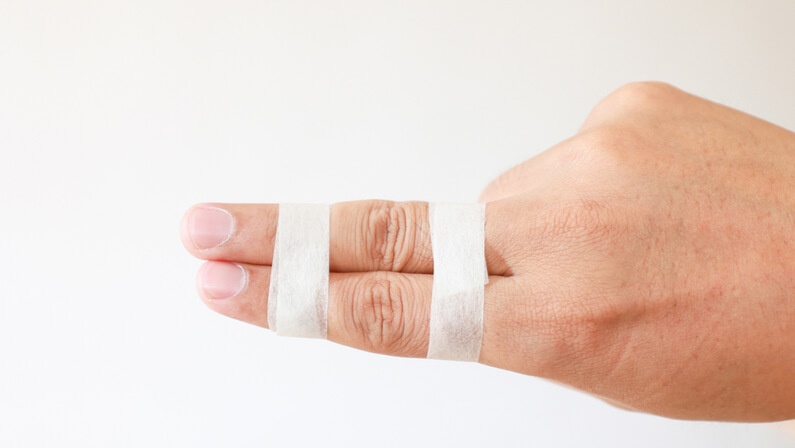
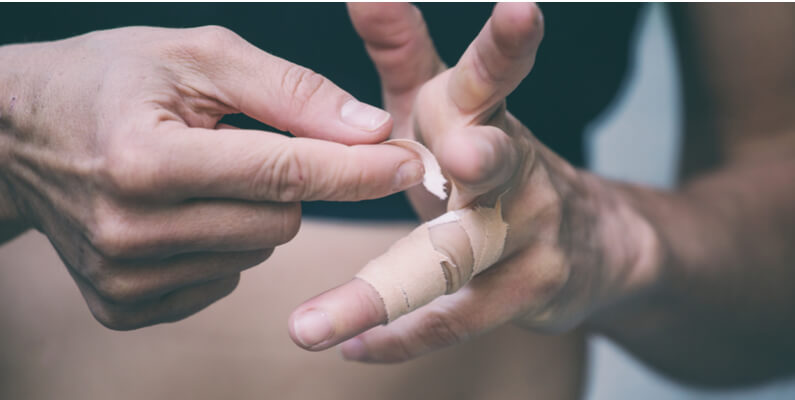
- Use a splint or buddy tape if recommended to help stabilize the injured finger and prevent further damage.
- Avoid unnecessary movement until you know the extent of the injury.
- Seek medical attention if the pain is severe, swelling continues to worsen, the finger looks crooked, you cannot move it normally, or you’re unsure whether it’s a jammed finger or broken finger.
After your evaluation, follow your provider’s treatment instructions carefully. Proper care improves recovery and can shorten how long a jammed finger takes to heal, while reducing the risk of long-term stiffness or joint problems.
How Is a Jammed Finger Diagnosed?
Diagnosing a jammed finger begins with a physical examination and a discussion about how the injury happened, your pain level, and your jammed finger symptoms. Because a sprain, fracture, or dislocation can cause similar symptoms, your provider may recommend imaging to determine whether it’s a jammed finger vs broken finger.
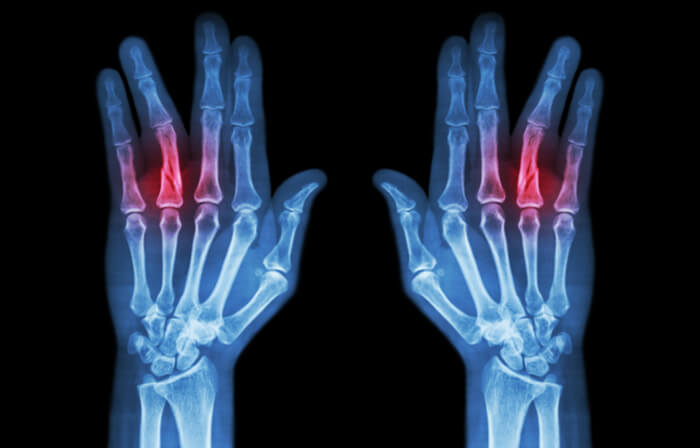
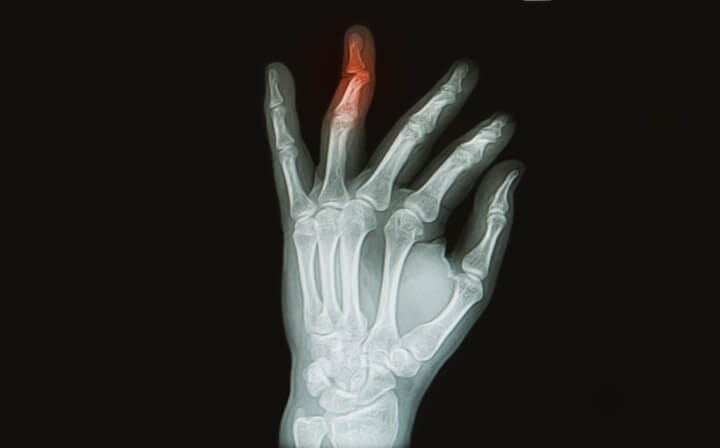
An X-ray is the most common test used to check for broken bones, joint alignment, and other injuries that may not be visible during a physical exam. This helps your provider identify the exact cause of your symptoms and recommend the most appropriate treatment.
When X-ray shows no fracture, treatment usually includes rest, ice, splinting or buddy taping when appropriate, and pain management while the finger heals. If a fracture is found, follow-up X-rays may be needed to monitor healing, and in more severe cases involving unstable fractures, tendon injuries, or joint damage, surgery may be recommended.
When imaging confirms a fracture rather than a sprain, treatment may be different. Read our guide on Broken Bones and Sprains, to understand when emergency evaluation is the best choice.
Early diagnosis and treatment can help reduce how long a jammed finger takes to heal and lower the risk of long-term stiffness or loss of finger function.
Jammed Finger Treatment
Treatment for a jammed finger depends on the severity of the injury and whether it’s a simple sprain or a jammed finger vs broken finger. Most mild injuries improve with conservative care, while fractures or severe ligament injuries may require additional treatment.
The most common jammed finger treatment options include:
- First aid, such as cold packs, rest, and elevation to reduce pain and swelling.
- Splinting or buddy taping the injured finger to a healthy neighboring finger for support.
- Taking anti-inflammatory medications or pain relievers as recommended by your provider.
Unless an X-ray shows a fracture, you may need to avoid sports or other activities until the finger has healed properly. Following your treatment plan can help reduce how long it takes for a jammed finger to heal and lower the risk of long-term stiffness.
How Long Does It Take for a Jammed Finger to Heal?
Recovery depends on the severity of the injury, whether the ligaments were stretched or torn, and if a fracture is present. Mild jammed fingers often improve within 1 to 2 weeks, while more serious injuries can take several weeks to heal completely.
Following your treatment plan, protecting the finger, and avoiding activities that could reinjure it can help shorten how long a jammed finger should hurt and support a full recovery. If pain, swelling, or limited movement continues beyond the expected healing time, seek medical evaluation to rule out a more serious injury.
When Should You See a Doctor for a Jammed Finger?
You should see a doctor for a jammed finger if your symptoms are severe or don’t improve after initial first aid. While many jammed fingers heal with rest and support, some injuries involve fractures, dislocations, or torn ligaments that require prompt medical care.
Seek emergency medical attention if:
- You cannot bend or straighten the finger.
- The pain or swelling is severe or continues to worsen.
- The finger looks crooked, deformed, or has a noticeable bump.
- You cannot move the finger normally.
- You think you may have a broken finger or you’re unsure if it’s a jammed finger vs broken finger.
- You develop severe pain, numbness, tingling, or loss of sensation.
A medical provider can examine the injury, order an X-ray if needed, and recommend the appropriate treatment to help prevent long-term stiffness, loss of function, or delayed healing.
Key Takeaways
A jammed finger is a common injury that can happen during sports, falls, work, or everyday activities. Common jammed finger symptoms include pain, swelling, bruising, tenderness, and reduced range of motion. While many injuries improve with rest and proper care, it’s important to know the difference between a jammed finger vs broken finger, as fractures and ligament injuries may require medical treatment.

As long as you cannot move your finger, notice significant swelling or deformity, or you’re wondering when to see a doctor for a jammed finger, seek prompt medical evaluation. An examination and X-ray can confirm the diagnosis and help determine the right treatment.
If you’re in Texas, visit your nearest RapidCare Emergency location for expert evaluation and treatment. Our experienced emergency physicians provide on-site imaging, accurate diagnosis, and personalized care to help you recover as quickly and safely as possible.
FAQs
How long does it take for a jammed finger to heal?
Most jammed fingers improve within 1–2 weeks, while moderate injuries may take 3–6 weeks. Recovery depends on ligament damage, swelling and whether the finger is properly protected. Persistent pain should be evaluated by an ER provider.
What does a jammed finger look like?
A jammed finger often appears swollen, bruised and tender around the knuckle. You may notice limited movement, stiffness or mild deformity. Severe swelling or an abnormal finger position may suggest a fracture or dislocation.
Jammed finger vs broken: what’s the difference?
A jammed finger usually causes pain, swelling and stiffness, while a broken finger often leads to severe pain, deformity, significant bruising or inability to move the finger. An X-ray is the best way to confirm the diagnosis.
When should you see a doctor for a jammed finger?
See a doctor for a jammed finger if pain is severe, swelling continues to worsen, the finger looks crooked, you cannot move it normally or numbness develops. These symptoms may indicate a fracture, dislocation or ligament injury.
How long should a jammed finger hurt?
Most jammed finger pain improves within several days, although soreness and stiffness may last a few weeks. Pain that continues beyond expected healing or becomes more severe should be medically evaluated.