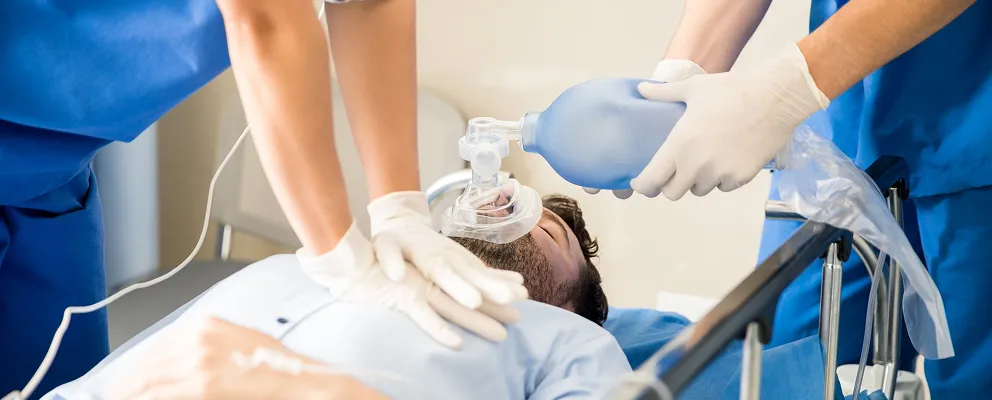
Confidential Emergency Care
Dehydration Treatment In Missouri City / Sugar Land, TX
When a weekend sports session, a yard project that ran long in the southwest Houston heat or a stomach illness that kept saying no to every glass of water and electrolyte drink leaves the body too depleted to function normally. RapidCare ER is open for walk-in evaluation, in-house IV fluid therapy and same-visit treatment in Missouri City and Sugar Land.
Our emergency room runs 24/7 for patients dealing with severe dehydration, vomiting that won’t stop, dizziness and weakness, confusion or any fluid loss that has outpaced what the body can recover from without IV support.
Open 24/7 Including All Holidays
- Walk-in emergency care
- No appointment needed
- Same-visit IV fluids, electrolyte replacement and lab work
- Treatment shaped around your hydration status and findings
What Is Dehydration Treatment?
Care that replenishes fluids and electrolytes where they’re needed most and catches the imbalances and organ stress that develop during unchecked dehydration.
Dehydration treatment at RapidCare ER focuses on replacing lost fluids, restoring the electrolytes the body requires and identifying the underlying cause of the fluid deficit. Based on your case, your visit may include a physical exam, vital sign assessment, blood work checking electrolyte levels and kidney function, urine testing and IV fluids with targeted electrolyte correction.
Once your provider has the complete picture, they’ll walk you through IV hydration, targeted electrolyte management, anti-nausea medication when vomiting is preventing oral intake, treatment of the underlying cause and a clear recovery plan. Every plan is shaped around how significantly depleted the body has become and what’s needed to get it back on track.
Care may include:
Dehydration Assessment
Your visit opens with a thorough conversation about how long symptoms have been developing, whether you’ve been able to keep fluids down, any vomiting, diarrhea or fever involved, recent outdoor activity.
Testing and Lab Work
A basic metabolic panel checks electrolyte levels, kidney function and blood glucose, while urine testing gives your provider a direct measure of how significantly the body’s fluid reserves have been drawn down.
IV Fluid and Electrolyte
IV saline or balanced electrolyte solutions restore fluids more quickly than anything that can be drunk, targeted electrolyte correction addresses imbalances in sodium, potassium and magnesium that drinks won’t fix.
Discharge and Recovery
Before heading home, you’ll receive clear instructions covering oral rehydration strategies, dietary recovery tips, warning signs to watch and any follow-up or specialist appointments worth scheduling.
When to Visit the ER for Dehydration Treatment
Visit the ER when dehydration symptoms become serious or fluid loss is outpacing what you can replace.
Mild dehydration often responds to fluids and rest, but some presentations genuinely require IV care. If you can’t keep anything down, are feeling faint or mentally foggy or symptoms have been building without improvement, RapidCare ER in Missouri City and Sugar Land is open and ready.
1
Repeated Vomiting
Vomiting or diarrhea that repeats and prevents keeping any fluid down makes oral rehydration useless. IV fluids are the only reliable path to restoring what the body has lost.
2
No Urine Over Hours
Urine that has turned deeply amber, brownish or hasn’t appeared at all over eight or more hours indicates that the body’s fluid reserves have dropped to a level requiring IV correction.
3
Near-Collapse on Standing
Significant lightheadedness, weakness or near-collapse when standing up during significant fluid loss can indicate that blood pressure has dropped from severe dehydration.
4
Drowsiness During Fluid Loss
Mental cloudiness, slowed or disoriented responses or unusual drowsiness developing during significant fluid loss can signal that dehydration has begun to affect neurological function.
5
Fever With Fluid Loss
A fever increasing fluid loss through sweating compounds dehydration rapidly, particularly during Missouri City and Sugar Land’s long, warm outdoor season.
6
Dehydration in an Infant
Infants, young children and older adults dehydrate more quickly and recover more slowly without IV support. Any dehydration signs in these groups need
emergency evaluation.
Why Choose RapidCare ER in Missouri City / Sugar Land
Emergency-grade dehydration care for the moments when electrolyte drinks, OTC hydration aids and rest have clearly run out of effectiveness.
1
24 Hour Walk-In Access
Come in any hour when dehydration symptoms feel too severe or too persistent to manage from home, including after outdoor activity.
2
Houston-Based ER Team
Care is available for patients across Missouri City, Sugar Land, Stafford, Fresno, Pearland and the surrounding communities.
3
On-Site Labs
Same-visit IV therapy, blood work and urine testing let your provider assess dehydration severity and begin treatment.
4
Discreet, Comfortable Visit
Short wait times, plain-language explanations and a comfortable setting help you focus on recovering rather than on the visit.
What to Expect During Your Visit
A straightforward emergency care experience from arrival through aftercare.
Our team focuses on measuring the degree of depletion, replacing what’s been lost and sending you home with a plan that actually works.
Check In and Triage
The team reviews your symptoms, fluid intake history, medical background and vital signs including blood pressure and heart rate.
Provider Evaluation
A provider examines your hydration status, checks skin and mucous membranes and determines which labs and IV fluids are appropriate.
Testing and Treatment
Care can include blood work (BMP), urine testing or electrolyte solutions, anti-nausea medication, electrolyte correction and treatment of the underlying cause.
Discharge Guidance
You’ll leave with written instructions, oral rehydration tips, dietary recovery guidance, follow-up timing and any specialist referrals.
Frequently Asked Questions
Our Other ER Services in Missouri